How to Care for Dental Implants After Surgery
- wilmingtondentalim
- Jan 30
- 5 min read

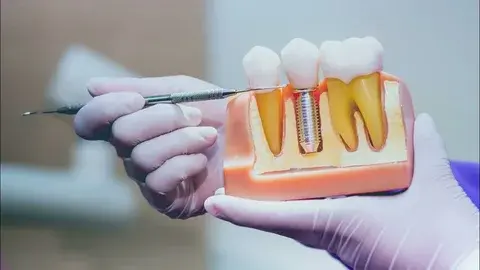
Dental implants have become one of the most effective ways to replace missing teeth, offering a permanent solution that looks and feels like natural teeth.
If you’ve recently had a dental implant procedure, it’s essential to understand how to care for your new teeth to ensure long-term success.
Patients looking for Wilmington dental implants often have questions about aftercare, healing time, and maintaining oral health. This guide will walk you through everything you need to know about caring for dental implants after surgery.
Understanding Dental Implants
Before diving into post-surgery care, it helps to understand what dental implants are. A dental implant is a small titanium post that is surgically placed into your jawbone to act as a replacement root for a missing tooth.
Once the implant integrates with your jawbone, it provides a strong foundation for a crown, bridge, or denture.
The procedure is highly effective and has a high success rate, but the key to long-term success lies in proper care after surgery. Whether you’re considering Affordable Dental Implants Wilmington or have already had the procedure, following post-operative instructions is crucial.
Immediately After Surgery
The first 24 to 48 hours after your dental implant surgery are critical for proper healing. Here are some important tips to follow:
Control Bleeding: Slight bleeding or oozing is normal. Bite gently on a gauze pad to control it. If bleeding persists, contact your dentist.
Manage Swelling: Swelling is common. Applying an ice pack on your cheek for 15–20 minutes at a time can help reduce discomfort.
Pain Management: Your dentist may prescribe pain medications. Take them as directed. Over-the-counter pain relievers can also help.
Rest: Avoid strenuous activities for at least 48 hours after surgery to prevent complications.
Following these steps ensures that your dental implant has the best chance to integrate successfully with your jawbone.
Maintaining Oral Hygiene
Good oral hygiene is essential for the long-term success of dental implants. While you want to keep your mouth clean, you must be gentle to avoid disturbing the surgical site. Here’s how to maintain oral care:
Brushing: Use a soft-bristled toothbrush to gently clean your teeth, avoiding the surgical area initially. Gradually include the implant area as it begins to heal.
Rinsing: Saltwater rinses are highly recommended for the first week. Avoid harsh mouthwashes that contain alcohol, as they can irritate the healing tissue.
Flossing: Once your dentist gives the go-ahead, floss around your implants carefully to prevent plaque buildup.
Maintaining oral hygiene not only prevents infection but also supports the long-term health of your implants.
Diet and Nutrition
What you eat in the weeks following your dental implant surgery plays a significant role in healing. Here are some dietary tips:
Soft Foods: Stick to soft foods like yogurt, mashed potatoes, scrambled eggs, and smoothies for the first few days.
Avoid Hard or Sticky Foods: Hard foods like nuts or chewy candies can damage the implant site.
Stay Hydrated: Drinking plenty of water helps your body heal faster and keeps your mouth clean.
Nutrient-Rich Foods: Include foods high in protein, vitamins, and minerals to support tissue healing and bone growth.
Following a proper diet helps reduce the risk of complications and speeds up recovery.
Habits to Avoid
To protect your dental implants, certain habits should be avoided during the healing process:
Smoking: Smoking can slow healing and increase the risk of implant failure.
Drinking Alcohol: Alcohol can interfere with medications and delay recovery.
Touching the Implant: Avoid poking or prodding the surgical area with your tongue or fingers.
By steering clear of these habits, you can ensure your implant heals properly and lasts for many years.
Regular Checkups and Professional Care
Even if you practice excellent oral hygiene at home, regular dental checkups are necessary. Your dentist will monitor the implant site for signs of infection, ensure proper integration, and make any adjustments if needed.
For those who chose Affordable Dental Implants Wilmington, these follow-ups are especially important to maintain the quality and longevity of the implants.
Professional cleanings are also essential because implants require specialized care. Your dentist can remove any plaque or tartar buildup that you might miss at home, ensuring your implant remains healthy.
Signs of Complications
While dental implants are generally safe, it’s essential to know the warning signs of potential complications:
Severe or persistent pain
Excessive swelling or bruising
Continuous bleeding
Loose implant or crown
Infection (fever, pus, or bad taste in the mouth)
If you notice any of these symptoms, contact your Wilmington dental implants provider immediately to prevent further issues. Early intervention can save your implant and avoid more extensive procedures.
Tips for Long-Term Success
Once your dental implant has fully healed, ongoing care is still important. Here are some tips to ensure your implant lasts for years:
Brush and floss daily
Visit your dentist regularly for checkups
Avoid grinding your teeth or chewing very hard foods
Maintain a healthy diet and lifestyle
By following these simple steps, you can enjoy your dental implants as a natural, permanent solution for missing teeth.
FAQ Section
Q1: How long does it take for a dental implant to heal?
A: Most dental implants take 3-6 months to fully integrate with the jawbone. Healing may vary depending on individual health conditions.
Q2: Can I eat normally after dental implant surgery?
A: Initially, it’s best to stick to soft foods. Gradually, as healing progresses, you can return to your regular diet.
Q3: Are dental implants painful?
A: The procedure is generally well-tolerated. Some discomfort, swelling, or bruising is normal, but pain can be managed with medication.
Q4: How do I choose the right dental implant clinic in Wilmington?
A: Look for experienced dentists, positive patient reviews, and affordable options. Clinics offering Affordable Dental Implants Wilmington often provide financing options.
Q5: Do I need to follow special oral care routines after surgery?
A: Yes, gentle brushing, saltwater rinses, and regular checkups are crucial for implant success.
Summing Up
Caring for dental implants after surgery doesn’t have to be complicated. By following these simple steps, maintaining good oral hygiene, eating the right foods, avoiding harmful habits, and visiting your dentist regularly, you can ensure your dental implants provide a long-lasting and natural-looking solution.
For residents seeking Wilmington dental implants, proper aftercare is just as important as choosing the right clinic.
At Wilmington Dental Implants, we understand the importance of both affordability and quality. Our team guides patients through every step of the process, from choosing Affordable Dental Implants Wilmington to ensuring successful post-surgery care.
By following these tips and staying proactive about your oral health, your dental implants can last a lifetime.


Comments